Saluting Our Veterans

step.eng69

All-Conference
Nov 7, 2012
3,548
4,837
113
Article Written By:
David Venditta


Back to Bataan

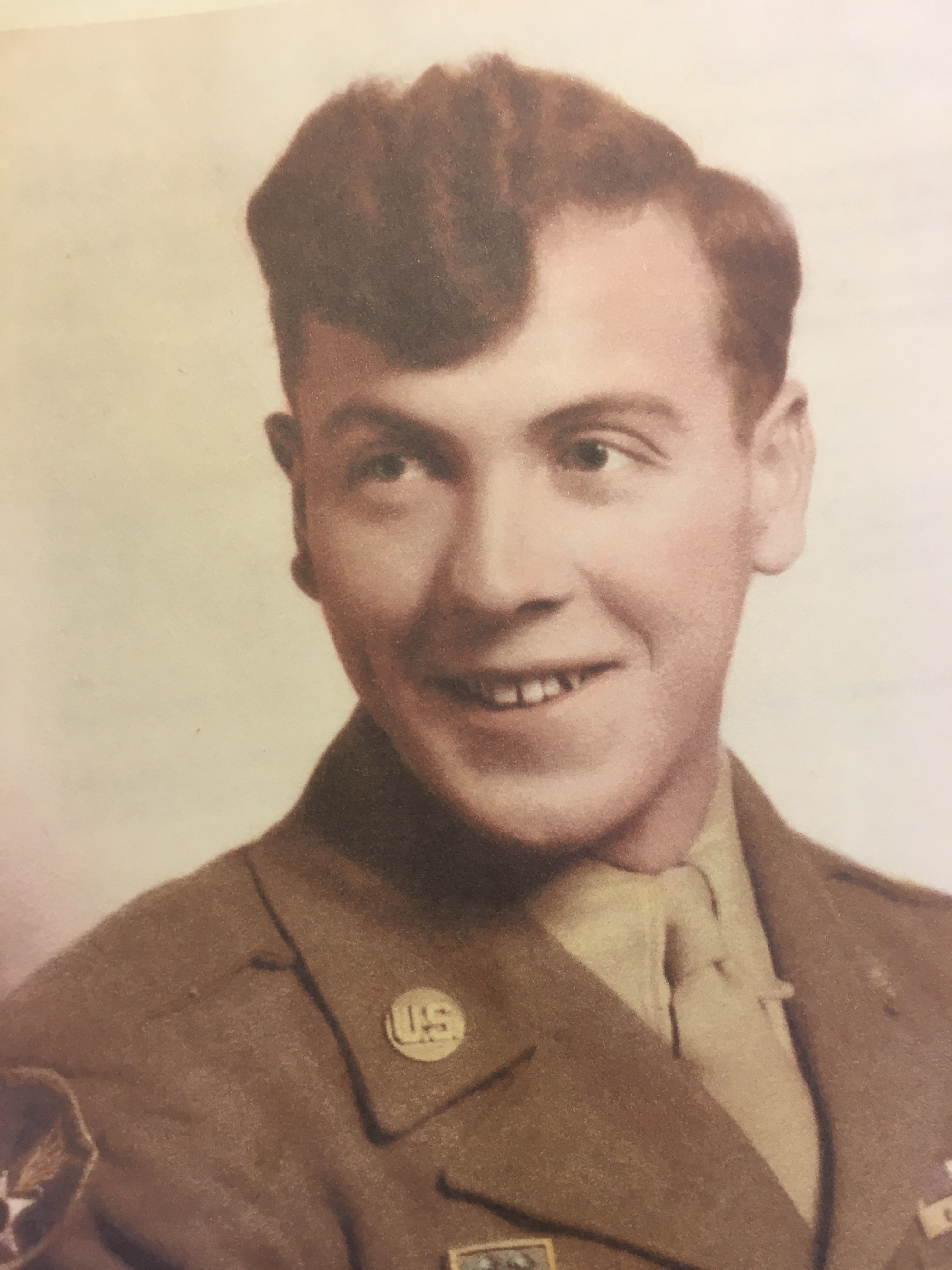
From his bedroom at night, little Rick would hear his father (Joe) in the kitchen directly below, shouting in Japanese, barking sharp commands. He'd been out drinking again.

It was the early 1960s, and Joe was collecting a military pension and working at a shoe factory. After his shift, he'd stop at a bar just a block from the house. He'd get home late, sit by himself and rant for an hour or more. Rick, who was about 7, would have to get up for school the next morning, and the racket kept him awake. He knew it had something to do with POW camps during World War II. His father had told him about beheadings.

''My dad was a little bit screwed up,'' Rick now says, ''He was suffering from post-traumatic stress, but nobody knew what that was at the time. You never knew when he was going to fly off the handle. He didn't physically take it out on us; mentally, though, he did. It was hard for the whole family.''

A one-time amateur boxer from the coal country around Wilkes-Barre, Joe had stayed in the service after the war and would go on to another career, teaching Spanish at Bethlehem Catholic High School. But he had a drinking problem and a hair-trigger temper that made life difficult for his wife and three sons.

As Rick got older, he found it easier to spend less time with his father than to put up with his combativeness. He knew some lurid details of his dad's existence as a captive American soldier in the Far East. But he wouldn't gain a fuller understanding until after his father died in 2005.

Inspiration came from summarizing the 86-year-old's life for the obituary. The task launched a journey to his father's past that continues to this day. It is a quest that has unmasked much of Joe's ordeal during the Bataan

Death March and 3-1/2 years as a prisoner of the Japanese. And it has brought Rick of East Allen Township face to face with an Army veteran who was with Joe in two POW camps, including one in Japan where they slaved in a coal mine and saw the atomic bombing of Nagasaki. ''Dad never really got over what took place in the prison camps, until in the mid-1980s he finally let go. It didn't bother him anymore,'' said Rick.

A sampling of the abuse his father suffered at Japanese hands appears in his 1947 testimony for the War Crimes Office investigating atrocities. After his father died, Rick wrote to the National Personnel Records Center in St. Louis and was surprised to get a copy of the deposition transcripts. Rick hadn't known about the war crimes deposition because his father had never talked about it.

In his testimony, Joe told a counterintelligence agent (SIS) about an incident that took place at Fukuoka Camp 17 on Japan's Kyushu Island, where he was held from mid-1943 until the war ended. A Japanese overseer in the mine ''reported me for not working hard enough. He and two guards beat me with their fists into unconsciousness, revived me with water and knocked me out a second time. They knocked out five teeth in the beating. They gave me the alternative of being shot or accepting the beating.''

A long walk in the sun

Joseph was born in 1918 to Ukrainian immigrants in Plymouth Township, Luzerne County. His parents, who would also have three daughters, were fairly well off. While his father worked in the coal mines, his mother made bootleg plum brandy. They built a nice home in Nanticoke, along with a rental house in the rear. When Joe was 16, he lied about his age and joined the National Guard. The next year, he graduated from Nanticoke High School and worked in a silk mill. In 1938, now with the regular Army, he went to Hawaii and tangled with other soldiers in the boxing ring while serving in a chemical warfare battalion. The decision that led him to Asia was his transfer to the Army Air Corps. He arrived at Luzon Island, the Philippines, in mid-1940 and became a clerk at the Nichols Field air base outside Manila.

Two weeks after Japan attacked Pearl Harbor, Japanese troops swarmed Luzon's northern coast. They gradually overpowered American and Filipino forces, trapping them on the mountainous Bataan peninsula. Joe was there, helping to supply the soldiers in the fight.

With hunger, disease and hopelessness weighing on the Allies, their commander surrendered on April 9, 1942. The next day, Sgt. Joe was taken prisoner on Bataan's southern tip. He was among 75,000 Allied captives the Japanese would start moving north to the captured Camp O'Donnell -- 85 miles, all but two dozen of them on foot. This was the Bataan Death March.

Along the way, hundreds of Americans and thousands of Filipinos died from dehydration, exhaustion and exposure to the fierce sun and heat, and from being run over, shot, bayoneted, beheaded, beaten and buried alive.

Digging their own graves

Joe was transferred later in the spring of 1942 from Camp O'Donnell to Cabanatuan Camp 1, also on Luzon.

''For the first four months, we were fed nothing but a very small quantity of gourd soup and rice for the three meals each day,'' he told the war crimes investigator. ''We worked from [7 a.m. until 5 p.m.] six days a week on road construction and miscellaneous construction. The… Treatment was brutal for the slightest offense.

''I personally saw five American soldiers shot to death for bribing the guard and leaving the camp for procuring food from a nearby Filipino village. These soldiers were given the choice of [being shot or] standing for three days tied to a post neck-high, with their heads resting back on the posts in the face of the tropical sun."

Cont’d next post……
 

step.eng69

All-Conference
Nov 7, 2012
3,548
4,837
113
''On the third day one of the boys made a break to escape, and all of the boys were forced to dig their own graves and were shot down in the graves while they were singing 'God Bless America.'''

Another time, Joe testified, three officers were caught trying to escape. ''They were deprived of any clothing and were compelled to stand out in the cold weather, during which time they were whipped, stoned and spat upon by Japanese soldiers. ''This lasted for about three days, following which the officers became delirious and were marched down the road and shot to death.''

Testimony from Joe and other survivors helped convict some 3,000 Japanese of war crimes. Many defendants got prison terms; more than 900 were executed.

Nagasaki's blazing sky

After more than a year at Cabanatuan, Joe and several hundred other POWs deemed fit to work were crowded into the hold of an old cargo vessel and taken to Kyushu, where they were held at Fukuoka Camp 17 and forced to labor for a coal mining company. Joe would remain there for the rest of the war.

Many years later, Joe told his older son Tom about his struggle to survive despite disease -- he had beriberi, caused by vitamin B1 deficiency -- cruel guards and desperate hunger. He talked about the lengths a man had to go to stay alive.

(Tom)-''I remember my dad saying prisoners used to wait till one of their friends was just about dead and dragged him out to get his food, then take him back and have his food because their friend was on the way out. “

Beginning in late 1944, Joe's parents, sisters and others back home sent postcards to him while he was at Fukuoka Camp 17. Joe wrote the name Charlie Balaza on the back of one. He wrote the names of other fellow captives on cards, as well.

Rick scoured POW Web sites and found Charlie's name. He lives near Trenton, N.J., and had published a memoir, ''Life as an American Prisoner of War of the Japanese,'' but it doesn't mention Joe.

Rick and his wife, Gloria, visited the 86-year-old in October 2007 to find out why his name was on the card. Rick was amazed at what he discovered. Charlie served in an Army coast artillery unit on Corregidor, an island fortress that guarded the mouth of Manila Bay. Its troops weren't captured until May 1942, after the Bataan Death March. But Joe and Charlie were both held at Cabanatuan Camp 1, and they were among 500 fit POWs who were carried in a Hell ship's cargo hold to Kyushu in July 1943, then marched to Fukuoka Camp 17. Charlie said he was with Joe outside the camp's barracks at 11:02 a.m. on Aug. 9, 1945. He remembered seeing a high-flying B-29 bomber and a billowing mushroom cloud. Joe saw the smoke and fire, too. ''I viewed the sky blazing over Nagasaki after the atomic bomb was dropped, although it was about 40 miles away,'' he wrote to the Wilkes-Barre Times Leader when he got home. Rick was thrilled to meet someone who was with his father at that historic moment.

"Imagine, two POWs, both seeing the Nagasaki bomb cloud -- my father telling me when I was no older than 13 that he was with another POW when this happened. Then out of pure luck, meeting this other POW.''

At peace with himself

Joe walked out of Camp 17 on Sept. 12, 1945, almost a month after the Japanese surrender. He returned to the States on a transport ship operated by the US Coast Guard, the USS Admiral C.F. Hughes. (not to be confused with the USS Hughes) and spent 18 months recuperating at Valley Forge General Hospital.

One weekend in February 1946 when he was home, he met Catherine at a Wilkes-Barre dance hall. They were married four months later. Remaining in the military, Joe specialized in aerial photography with the Strategic Air Command (SAC) and served at SAC Bases across the USA and in Canada and Britain.

He was a technical sergeant with more than two decades of service when he retired in 1959. But he wasn't through working. He studied German and Spanish at King's College in Wilkes-Barre and taught at Becahi for 10 years. Then in 1985, in his mid-60s, he was hospitalized with emphysema and almost died. Rick said it was a turning point for his dad.

''He was a smoker, so he quit smoking, cold turkey, and he quit drinking. He made a comment at the time: 'That's it, I'm not going to let the past run my life anymore.' He just let go. At that point, I'd say, he was at peace with himself.' Late in 1999, after Joe had grown frail, Rick got him into the Veterans Affairs nursing facility in Wilkes-Barre. Five-and-a-half years later, Joe died of lung cancer.

A path still to follow

In his mission to grasp what his father endured, Rick has read many books on Bataan and prisoners of the Japanese. He belongs to an e-mail group that disseminates POW information, and he has spent countless hours exploring Web sites related to his dad's service and captivity. He has attended national conventions of the American Defenders of Bataan and Corregidor; a veterans group his father belonged to but wasn't active in. And this year (2008), Rick will be among the descendants who keep the organization going.

In addition, he and Gloria are considering a trip to the Philippines next year to follow his father's path. ''I understand now why he was the way he was. I can visualize many things today. But once you understand, you start wanting more information. I am still searching.”
 
Last edited:

step.eng69

All-Conference
Nov 7, 2012
3,548
4,837
113

For two children of World War II POWs, a heartfelt journey​

Posted on August 17, 2020,
A story by David Venditta about two Pennsylvanians whose fathers were prisoners of the Japanese.

Szczepanski family
My family:
(from left) Catherine, Rick, Tom and Joe at Lowry Air Force Base in Colorado on Easter Sunday 1958.


Dawne Clay and Rick are retirees who belong to the American Defenders of Bataan and Corregidor Memorial Society. They’ve spent many years trying to understand what troubled their fathers, both now deceased.

Dawne’s dad, Wayne Miller, grew up on a Berks County farm. Rick’s dad, Joe, was from coal country, Luzerne County. Both joined the Army Air Corps, which became the Army Air Forces. They were captured in 1942 in the Philippines and held until the end of the war — Wayne in Manchuria, Joe in Japan. Their experiences haunted them.
Last year, Dawne and Rick went to Japan as guests of its government through the Japan POW Friendship Program, which strives for reconciliation and healing.

I’d written about Rick before, in 2009, several years after he got deeply interested in his father’s life. I ended that piece by saying Rick hoped to go to the Far East someday to follow his dad’s path. Ten years later, he called and said, “I’m going to Japan.” I told him that when he came back, I could do a follow-up for the newspaper.

Wayne Miller in wartime.
Wayne Miller in wartime. In 2010, just before he died, he received a Silver Star for gallantry on Corregidor.
After Rick returned, he told me that a woman who lives in the area was also on the trip, and he put me in touch with her. That was Dawne. I decided to interview both for a story that would run around the time of the seventy-fifth anniversary of the Japanese surrender ending World War II. That’s how it played out.

I hope you like the story,
David Venditta


Midnighter

Heisman
Jan 22, 2021
11,879
19,670
113
Spent the morning in my son’s class teaching the kids about Veteran’s Day. They were very curious and asked a lot of good questions (3rd grade). My son, who’s e father and both grandfathers served, was very proud.

Thinking of all those I served with at US Army Europe/7th Army, V Crops, Operation Joint Forge (Bosnia) and all those before and after. Salute gentlemen.
 
Last edited:

DaytonRickster

All-Conference
May 29, 2001
2,611
3,043
113
''On the third day one of the boys made a break to escape, and all of the boys were forced to dig their own graves and were shot down in the graves while they were singing 'God Bless America.'''

Another time, Joe testified, three officers were caught trying to escape. ''They were deprived of any clothing and were compelled to stand out in the cold weather, during which time they were whipped, stoned and spat upon by Japanese soldiers. ''This lasted for about three days, following which the officers became delirious and were marched down the road and shot to death.''

Testimony from Joe and other survivors helped convict some 3,000 Japanese of war crimes. Many defendants got prison terms; more than 900 were executed.

Nagasaki's blazing sky

After more than a year at Cabanatuan, Joe and several hundred other POWs deemed fit to work were crowded into the hold of an old cargo vessel and taken to Kyushu, where they were held at Fukuoka Camp 17 and forced to labor for a coal mining company. Joe would remain there for the rest of the war.

Many years later, Joe told his older son Tom about his struggle to survive despite disease -- he had beriberi, caused by vitamin B1 deficiency -- cruel guards and desperate hunger. He talked about the lengths a man had to go to stay alive.

(Tom)-''I remember my dad saying prisoners used to wait till one of their friends was just about dead and dragged him out to get his food, then take him back and have his food because their friend was on the way out. “

Beginning in late 1944, Joe's parents, sisters and others back home sent postcards to him while he was at Fukuoka Camp 17. Joe wrote the name Charlie Balaza on the back of one. He wrote the names of other fellow captives on cards, as well.

Rick scoured POW Web sites and found Charlie's name. He lives near Trenton, N.J., and had published a memoir, ''Life as an American Prisoner of War of the Japanese,'' but it doesn't mention Joe.

Rick and his wife, Gloria, visited the 86-year-old in October 2007 to find out why his name was on the card. Rick was amazed at what he discovered. Charlie served in an Army coast artillery unit on Corregidor, an island fortress that guarded the mouth of Manila Bay. Its troops weren't captured until May 1942, after the Bataan Death March. But Joe and Charlie were both held at Cabanatuan Camp 1, and they were among 500 fit POWs who were carried in a Hell ship's cargo hold to Kyushu in July 1943, then marched to Fukuoka Camp 17. Charlie said he was with Joe outside the camp's barracks at 11:02 a.m. on Aug. 9, 1945. He remembered seeing a high-flying B-29 bomber and a billowing mushroom cloud. Joe saw the smoke and fire, too. ''I viewed the sky blazing over Nagasaki after the atomic bomb was dropped, although it was about 40 miles away,'' he wrote to the Wilkes-Barre Times Leader when he got home. Rick was thrilled to meet someone who was with his father at that historic moment.

"Imagine, two POWs, both seeing the Nagasaki bomb cloud -- my father telling me when I was no older than 13 that he was with another POW when this happened. Then out of pure luck, meeting this other POW.''

At peace with himself

Joe walked out of Camp 17 on Sept. 12, 1945, almost a month after the Japanese surrender. He returned to the States on a transport ship operated by the US Coast Guard, the USS Admiral C.F. Hughes. (not to be confused with the USS Hughes) and spent 18 months recuperating at Valley Forge General Hospital.

One weekend in February 1946 when he was home, he met Catherine at a Wilkes-Barre dance hall. They were married four months later. Remaining in the military, Joe specialized in aerial photography with the Strategic Air Command (SAC) and served at SAC Bases across the USA and in Canada and Britain.

He was a technical sergeant with more than two decades of service when he retired in 1959. But he wasn't through working. He studied German and Spanish at King's College in Wilkes-Barre and taught at Becahi for 10 years. Then in 1985, in his mid-60s, he was hospitalized with emphysema and almost died. Rick said it was a turning point for his dad.

''He was a smoker, so he quit smoking, cold turkey, and he quit drinking. He made a comment at the time: 'That's it, I'm not going to let the past run my life anymore.' He just let go. At that point, I'd say, he was at peace with himself.' Late in 1999, after Joe had grown frail, Rick got him into the Veterans Affairs nursing facility in Wilkes-Barre. Five-and-a-half years later, Joe died of lung cancer.

A path still to follow

In his mission to grasp what his father endured, Rick has read many books on Bataan and prisoners of the Japanese. He belongs to an e-mail group that disseminates POW information, and he has spent countless hours exploring Web sites related to his dad's service and captivity. He has attended national conventions of the American Defenders of Bataan and Corregidor; a veterans group his father belonged to but wasn't active in. And this year (2008), Rick will be among the descendants who keep the organization going.

In addition, he and Gloria are considering a trip to the Philippines next year to follow his father's path. ''I understand now why he was the way he was. I can visualize many things today. But once you understand, you start wanting more information. I am still searching.”
Incredible bravery undergoing beatings, near starvation, watching fellow POWs murdered, starved, or worked to death. Thank you for sharing this incredible story. I salute his service!
 

nittanyfan333

All-American
Oct 6, 2021
3,655
7,205
113
Thank you. USAF 02-09. All source intel. RPA warrior

Veterans Day is always difficult for me. I very much have the mentality that I was just doing my job. I never thought I deserved anything special for that. I never deployed till I got out and became a contractor. I look at Veterans Day as more of a celebration for those that have deployed or those that went to Vietnam/Korea/WW 1/2.
 

CVLion

All-Conference
Oct 13, 2021
937
1,859
93
Thank you. USAF 02-09. All source intel. RPA warrior

Veterans Day is always difficult for me. I very much have the mentality that I was just doing my job. I never thought I deserved anything special for that. I never deployed till I got out and became a contractor. I look at Veterans Day as more of a celebration for those that have deployed or those that went to Vietnam/Korea/WW 1/2.

You were doing a job that benefited us all, and which more than a few of those who benefited would never have been willing and/or able to do.

In my mind at least, that IS special and you have my gratitude.
 

mh-larch

Senior
Nov 20, 2019
264
597
93
Thank you. USAF 02-09. All source intel. RPA warrior

Veterans Day is always difficult for me. I very much have the mentality that I was just doing my job. I never thought I deserved anything special for that. I never deployed till I got out and became a contractor. I look at Veterans Day as more of a celebration for those that have deployed or those that went to Vietnam/Korea/WW 1/2.
Your service was greatly appreciated, do not downplay it! Thank you!
 
  • Like
Reactions: step.eng69