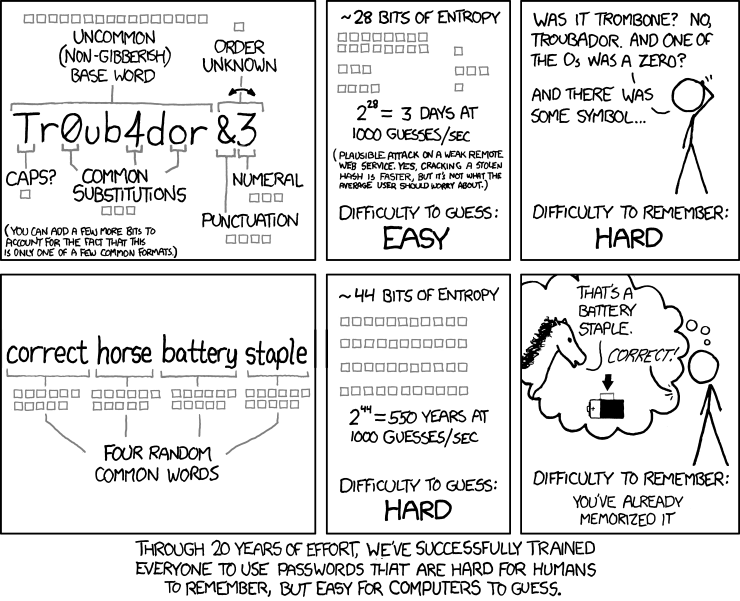
Hmmm, are you referring to this:
Controversy
According to the
International New York Times, Kaspersky has "become one of Russia's most recognized high-tech exports, but its market share in the United States has been hampered by its origins."
[113] According to Gartner, "There's no evidence that they have any back doors in their software or any ties to the Russian mafia or state... but there is still a concern that you can’t operate in Russia without being controlled by the ruling party.”
[9]CEO Eugene Kaspersky's prior work for the Russian military and his education at a KGB-sponsored technical college has led to controversy about whether he uses his position at Kaspersky to advance Russian government interests and intelligence efforts.
[114][115] Analysts such as Gartner's Peter Firstbrook say suspicions about the firm’s Russian roots have hindered its expansion in the US.
[9]
In August 2015,
Bloomberg reported that Kaspersky had not exposed Russian cyber-espionage efforts with "the same vigor" as those coming from the U.S., Israel and the U.K.
[30] Kaspersky denied the allegation of bias, citing eleven reports it had published by 2015 on malware containing Russian-language coding.
[116]Kaspersky slammed Bloomberg's coverage on his blog, calling the coverage "sensationalist" and guilty of "exploiting paranoia" to "increase readership," but did not state clearly whether Bloomberg's claims are true or not.
[117]
In August 2015, two former Kaspersky employees alleged that the company introduced modified files into the
VirusTotal antivirus database to trick software from Kaspersky competitors into triggering false positives in virus and malware scans. A possible motive is that Eugene allegedly was furious at competitors perceived to be "unfairly" free-riding on Kaspersky's malware discoveries via the open-source VirusTotal database. The company denied the allegations.
[118][119][120] On his personal blog, Eugene Kaspersky compared the accusations to unsubstantiated conspiracy theories.
[121] Reuters followed up by publishing leaked emails allegedly from Kaspersky alluding to "falsies" and "rubbing out" international competitors; Kaspersky Labs stated the emails "may not be legitimate and were obtained from anonymous sources that have a hidden agenda".
[122]
In December 2016, Ruslan Stoyanov, the company's computer incidents investigation team leader, was arrested in Russia and charged with
treason, purportedly for passing Russian state secrets to
Verisign, a charge denied by Verisign and arising from information provided by
Pavel Vrublevsky in 2010.
[123]