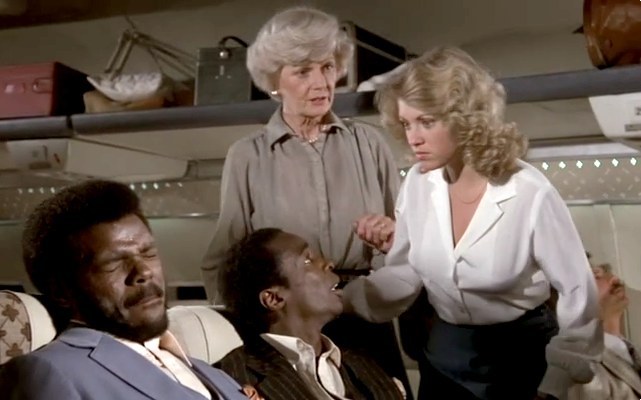
As seen from previous threads translating is a strong point of several posters on this board.
<span class="pp"></span></p>
<span class="pp"></span></p>
http://www.clarionledger....EWS03/100823025/1263/RSSATLANTA
— Federal agents are seeking to hire Ebonics translators to help
interpret wiretapped conversations involving targets of undercover drug
investigations.<span class="aa"></span></p>
<span class="pp"></span>The
Drug Enforcement Agency recently sent memos asking companies that
provide translation services to help it find nine translators in the
Southeast who are fluent in Ebonics, Special Agent Michael Sanders said
Monday.</p>
Ebonics, which is also known as African American
Vernacular English, has been described by the psychologist who coined
the term as the combination of English vocabulary with African language
structure.</p>
Some DEA agents already help translate Ebonics,
Sanders said. But he said wasn't sure if the agency has ever hired
outside Ebonics experts as contractors.</p>
"They saw a need
for this in a couple of their investigations," he said. "And when you
see a need - it may not be needed now - but we want the contractors to
provide us with nine people just in case."</p>
The DEA's
decision, first reported by The Smoking Gun, evokes memories of the
debate sparked in 1996 when the Oakland, Calif., school board suggested
that black English was a separate language. Although the board later
dropped the suggestion amid criticism, it set off a national discussion
over whether Ebonics is a language, a dialect or neither.</p>
The
search for translators covers a wide swath of the Southeast, including
offices in Atlanta, Washington, New Orleans, Miami and the Caribbean,
said Sanders. He said he's uncertain why other regions aren't hiring
Ebonics translators, but said there are ongoing investigations in the
Southeast that need dedicated Ebonics translators.</p>
Linguists said Ebonics can be trickier than it seems, partly because the vocabulary evolves so quickly.</p>
"A
lot of times people think you're just dealing with a few slang words,
and that you can finesse your way around it," said John Rickford, a
Stanford University linguistics professor. "And it's not - it's a big
vocabulary. You'll have some significant differences" from English.</p>
Critics worry that the DEA's actions could set a precedent.</p>
"Hiring
translators for languages that are of questionable merit to begin with
is just going in the wrong direction," said Aloysius Hogan, the
government relations director of English First, a national lobbying
group that promotes the use of English.</p>"I'm not aware of
Ebonics training schools or tests. I don't know how they'd establish
that someone speaks Ebonics," he said. "I support the concept of
pursuing drug dealers if they're using code words, but this is
definitely going in the wrong direction."