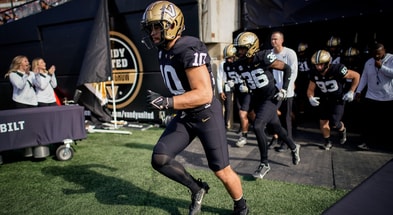
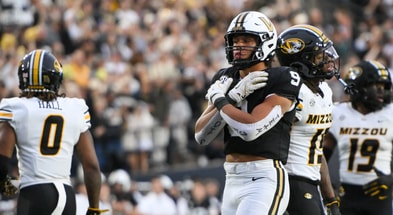
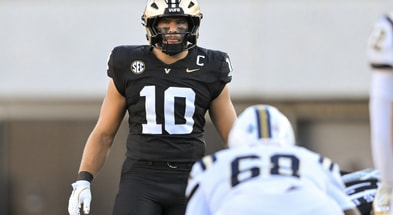
Preview: Auburn vs. #16 Vanderbilt
Vanderbilt enters with a balanced attack ranked 13th nationally in EPA/play (+0.18) and 12th in EPA/drive (+1.01), powered by an offense producing 1.52 EPA/drive and a defense that’s improved against the run but still leaky versus the pass. The Commodores’ offensive success rate stands at 50.0% overall, 52.9% passing, and 47.1% rushing, ranking among the most efficient units in the country. Auburn, by contrast, has struggled to sustain drives, ranking 87th in offensive success rate (40.8%), with a strong rushing efficiency (44.6%) but low passing consistency (36.7%). The Tigers’ defense remains solid, allowing success on just 36.6% of plays (10th nationally) and ranking second in rush defense (27.3%), which could test Vanderbilt’s ground game.
Vanderbilt’s offense against Auburn’s defense may define the afternoon. The Commodores’ aerial production meets one of the SEC’s most disciplined fronts: Auburn allows only –0.26 EPA per rush (best in the country) but concedes 0.08 EPA per pass (ranked 83rd). That suggests Vanderbilt could lean on intermediate passing concepts and tempo to exploit coverage gaps. On the flip side, Auburn’s offense remains inconsistent: –0.15 EPA per pass (116th) but a positive 0.11 EPA per rush (19th). Vanderbilt’s run defense, which allows success on 39.1 % of rushes (41st nationally), will need to contain running back Jeremiah Cobb, who leads Auburn with 789 rushing yards at 5.8 yards per carry.
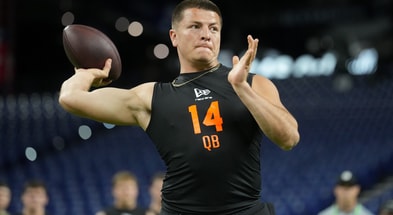
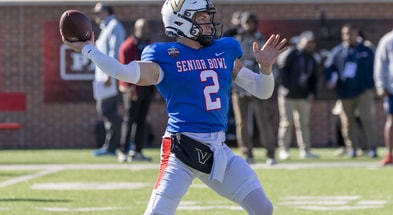
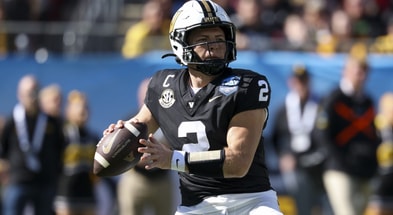
Quarterback play has been the catalyst for Vanderbilt’s rise: the Commodores rank 6th nationally in offensive EPA/play (0.27) and first in early-down success. This area allows them to stay on schedule and sustain drives. Auburn quarterback Jackson Arnold has thrown for 1,278 yards and six touchdowns with a 122.0 passer rating, but he faces heavy pressure — he’s been sacked 37 times for 223 yards lost. Linebacker Xavier Atkins anchors the Tigers with 69 tackles and seven sacks.
Situationally, Vanderbilt holds several key advantages. The Commodores convert 54.8 % of their third-down attempts (3rd nationally) compared to Auburn’s 39.4 % (110th). Field position also favors Vanderbilt: they average a +2.9 net differential (28th) while Auburn sits at –3.0 (107th). In terms of drive efficiency, Vanderbilt gains 57.8 % of available yards (17th nationally) per series, compared to Auburn’s 40.9 % (98th).
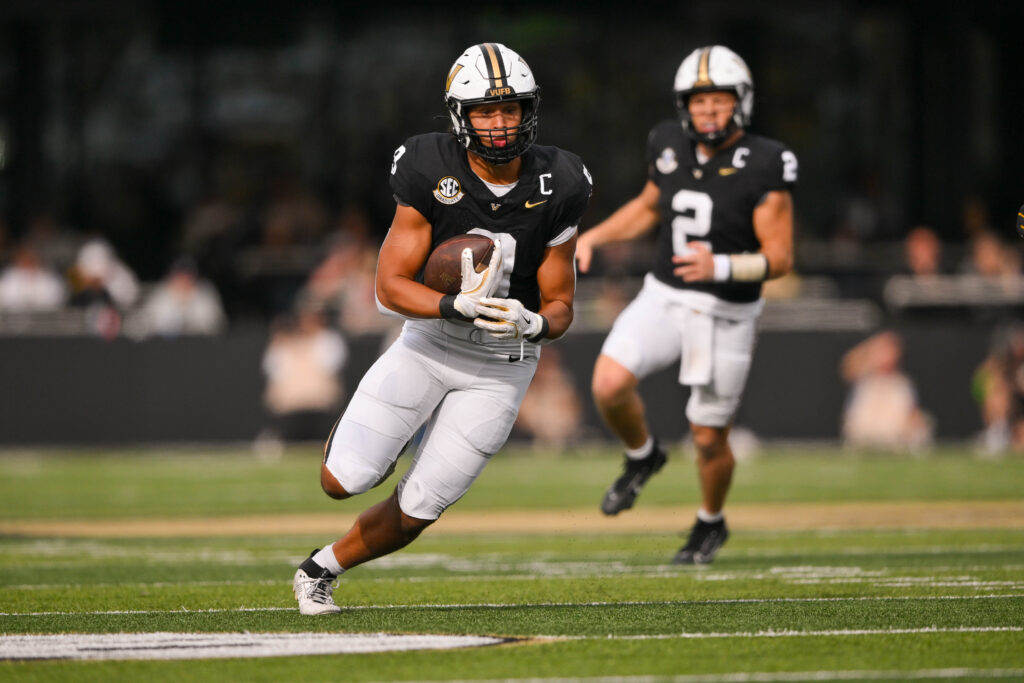
Amid these numbers, it’s worth noting a recent change of leadership in the Auburn program. Head coach Hugh Freeze was dismissed following the Tigers’ home loss to Kentucky and a 4–5 record, including a 1–5 mark in SEC play. Defensive coordinator D.J. Durkin has been appointed as the interim head coach while Auburn begins a search for his permanent replacement. This development adds a layer of volatility to the Tigers’ offensive preparation and mentality.
Vanderbilt’s balanced offense and third-down efficiency should ultimately wear down Auburn’s defense, particularly if the Commodores can stay ahead of the chains on early downs. Auburn’s rushing game may find moments of success, but without explosive passing, sustained drives could be rare against Vanderbilt’s front.