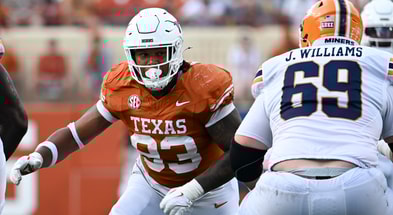
Why the committee should choose 9-3 Texas

I’m pals with an older Aggie fan who despises the college football playoff and routinely refers to it as the TV invitational. A real traditionalist, that guy.
[Sign up for Inside Texas TODAY for 50% OFF the annual subscription price!]
I think the playoff is great, but I also completely agree with his characterization. It’s an invitational tournament and the award for winning it is essentially to be crowned “National Champion” over all the participating programs by the broadcast media.
This leads us to the big question for the ESPN Championship Invitational. Who gets invited to participate for a chance of being crowned “national” champion and why?
As I argued last year on behalf of Alabama, ESPN should be keen to invite teams who do their part for college football as a televised sport. I.E, the teams who regularly play challenging games of interest and perform in those games in a manner that rewards viewers for watching.
This would be in opposition to the disgraceful way Indiana schedules, for instance. I don’t mind this year’s squad getting in, they had a great season and played well in several big games, but it’s a mistake to reward teams for avoiding competition.
Because college football at the “bowl division” level is massive with multiple conferences with varying resources and fan base sizes scattered across the country, all of its postseason processes are akin to fight promotion. For too long college football has been boxing. A sport where you can’t get the best fighters to actually fight each other.
This is one of the chief challenges for the ESPN Invitational in whipping this sport into shape. Stamping out bum-hunting masked as “traditionalism.”
What if?
Just imagine if college football had a Czar who was in charge of guiding and protecting the sport on behalf of all the collective interests.
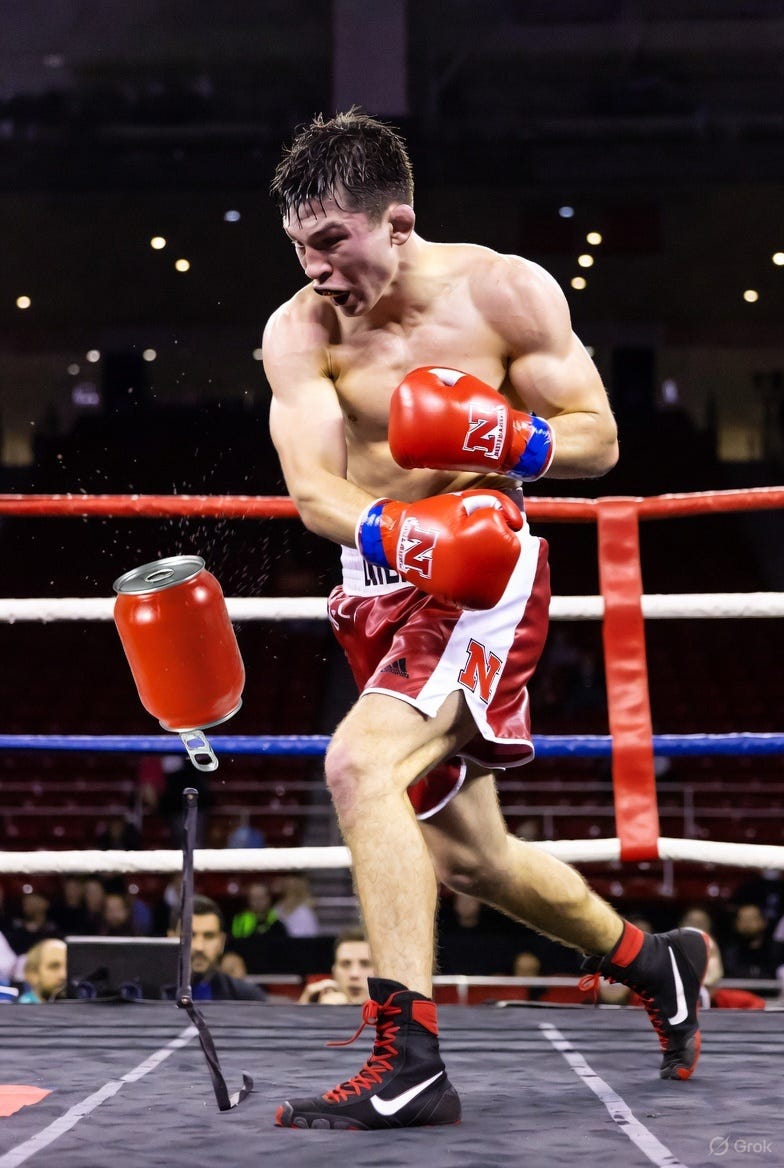
One thing he would absolutely do is optimize it for television, which is where the real revenue and form of the game is, and he’d do so by killing college football’s longstanding tradition where top programs line up tomato cans to knock over in order to claim a title via an unblemished record.
The UFC was taken over by Dana White years ago and owing to his strong leadership, the sport was designed to avoid the problem that has long plagued boxing. The problem where champions don’t want to fight anyone who could take away the belt or hinder their path to the belt. The UFC still has these issues now and then but it’s wildly superior in terms of consistently generating real fights.
The problem is who has leverage within a sport. You can’t let individualism rule the day if you want the best results for the overall group. In the fight game, smart fighter management is all about getting your fighter to the belt in the easiest way possible. We all get it and would probably do likewise in the same situation. However, if I’m a viewer and fan of the sport, I want to watch the best guys box.
Fight promotion often has to be very clever to convince people to part with their money in order to watch a champion or top, anointed contender knock over a tomato can. The phrase “puncher’s chance” exists because of this dynamic.
The UFC works differently. If you won’t fight top contenders they can strip you of the belt and all the money and power that comes with it. Superstars are not well protected and the sport relies on the competitive nature of the enterprise to generate interest rather than anointed stars. I hear people complain all the time about how Dana White doesn’t do enough for the fighters, but if the fighters have too much leverage guess at whose expense it comes?
Not ownership! It comes from you, the viewer! You’ll get management and ownership spending money to trick you into buying a crappier product.
Like an SEC bye week, or Indiana playing Rutgers and everyone calling it “Big 10 competition,” or maybe Texas scheduling an extra tomato can in the future rather than Ohio State.
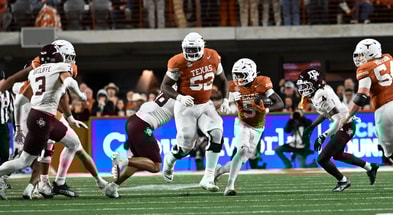
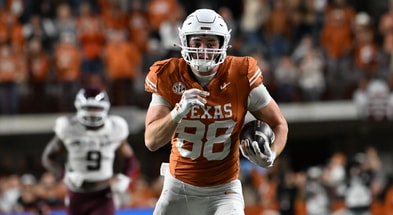
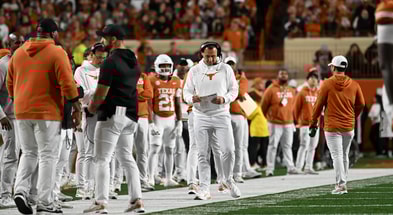
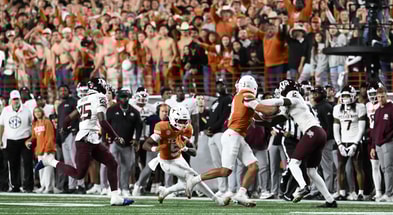
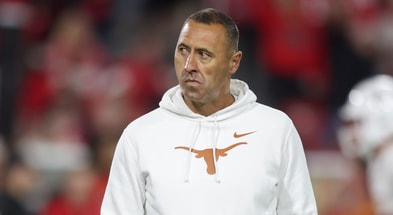
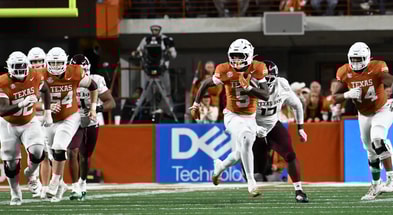
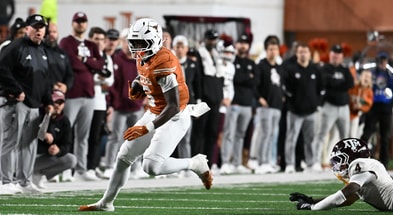
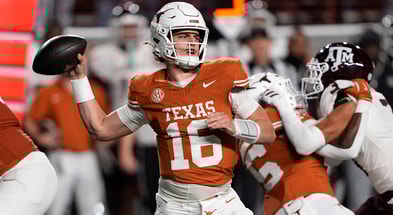
Right now Steve Sarkisian and the Longhorns are making the remarkably self serving argument that it would be unfair to punish them, a team which has beaten perhaps three playoff teams, because they were willing to schedule a road trip to Ohio State. Texas didn’t need to schedule Ohio State this year, or Michigan last year. The Longhorns already have an SEC slate which this year included rivals in up years, at Florida the week before the Red River Shootout, and at Georgia at night. If Texas had ducked Ohio State and picked up a win, they’d be 10-2 now with an unassailable case over most other 10-2 squads.
But Texas played Ohio State, lost and are 9-3, and now they’re going to get left out.
You see the problem?
The entirely self-serving argument made by Sark and Texas is correct.
College football needs marquee games in the fall to build up the season and carry us until conference play begins and teams actually face real competition. We want to see Mayweather fight Manny Pacquiao in a timely fashion.
Top 10
- 1Breaking
Mark Stoops
Kentucky to fire head coach
- 2
Pat Fitzgerald
Returns as Big Ten head coach
- 3Hot
Lane Kiffin
Statement on LSU, Ole Miss
- 4Trending
Pete Golding
Hired as Ole Miss head coach
- 5
Jon Sumrall
UF expected to hire Tulane HC
Get the Daily On3 Newsletter in your inbox every morning
By clicking "Subscribe to Newsletter", I agree to On3's Privacy Notice, Terms, and use of my personal information described therein.
To radically disincentivize teams from playing a top non-conference opponent, especially in Week 0 or Week 1 when the sport needs promotion, makes zero sense. If Dana White were in charge of college football he’d say they were nuts for leaving Texas, a big draw that puts on good fights, off the pay-per-view card.
The rebuttals
“But Ian, aren’t you a Longhorn alumnus who attended the game last Friday with your son and perhaps had an emotional experience that has clouded your judgment? Didn’t you say a week or two ago that it doesn’t matter because Texas isn’t a serious contender?”
Yes.
But, my argument is strictly on the business of college football. You definitely don’t need to include Texas in the playoff this year for the champion to have legitimacy. For anyone who wants to argue that Texas struggles to get off the ground against Ohio State means something this year, I agree. If you want to say, “you already got tested at Georgia and failed miserably,” I also agree.
The problem is that you’re going to end up rewarding teams propped up by tomato cans who will also fail the test and they’ll do so in the biggest games. Why is that better?
If you find it unbecoming for a Longhorn to make this argument on Texas’ behalf (although I said the same thing last year about Alabama), then take the USC example.
When Lincoln Riley suggested USC ditch the Notre Dame game in the future to avoid an unbalanced schedule, he caught hell and was labelled a coward. But guess what? Without that game this year, USC’s record is 10-2 and they’re making a case for playoff inclusion.
In future seasons if USC is 10-2 will everyone say, “that’s only because you played Oregon State instead of Notre Dame you cowards!” and cast them into the bowl games where there is weeping and gnashing of teeth?
Spoiler alert, they won’t.
What if they’d successfully ducked the Notre Dame rivalry this year? One of the few “let’s have big time teams play each other in the regular season as a tradition!” games that we have?
We also had this same argument last year over the conference championship games and landed on, “you can’t punish teams for playing in the conference championship game. It should only be able to boost your standing in the playoff selection process, not diminish it.”
Obviously whether you win or lose games has to matter, that’s the whole point. But we need to move this sport past the old model where teams are incentivized not to play at all because of the risk of winning and losing.
Far be it from me to side with Big Mouse, but what ESPN wants to do to college football with their “TV invitational” is actually in the best interests of the sport. They want to optimize it for television, which is still far away from where we are. They want to make it more like the UFC where management runs the show and fighters have to fight to claim prizes, and less like boxing where managers run the show.
To get there, eventually we need to include a 9-3 team over a 10-2 team because the 9-3 team played big, meaningful games during the actual season where the 10-2 team did not. No time like the present…
This article was originally published on “America’s War Game.”