Then what is the case? Don’t just take the easy road and say “it’s not the case”. Say what it is.
I'm not dodging, I just posted something similar earlier in the thread and didn't want to clog it up.
Trying to keep this short(ish)- about 15-20 years of overly aggressive investment of premium dollars where they used to be more conservative (partly because of an inability to purchase conservative bonds in low interest rate environments of the 2010's), failure to acknowledge the growing risk profile of the market across the US over that same time span, extensive increased claims exposure across the market.
By way of one example, where I live has always had significant hail events. However, in 2016, 2017 and 2018, the Front Range had 3 hail storms that caused ~$3 billion in property damage. That roughly equaled the total $ of property damage of all storms from the previous 25 years.
Other states where there have been historically fewer catastrophic claims have now seen increased events. These companies historically were able to insure certain markets with more certainty while balancing that risk in more volatile markets. Basically, all non-coastal states were relatively stable compared to coastal markets vis a vis catastrophic events. That's changed. Inscos have finally worked that into their business model, which has resulted in the massive policy increases over the last 5-10 years.
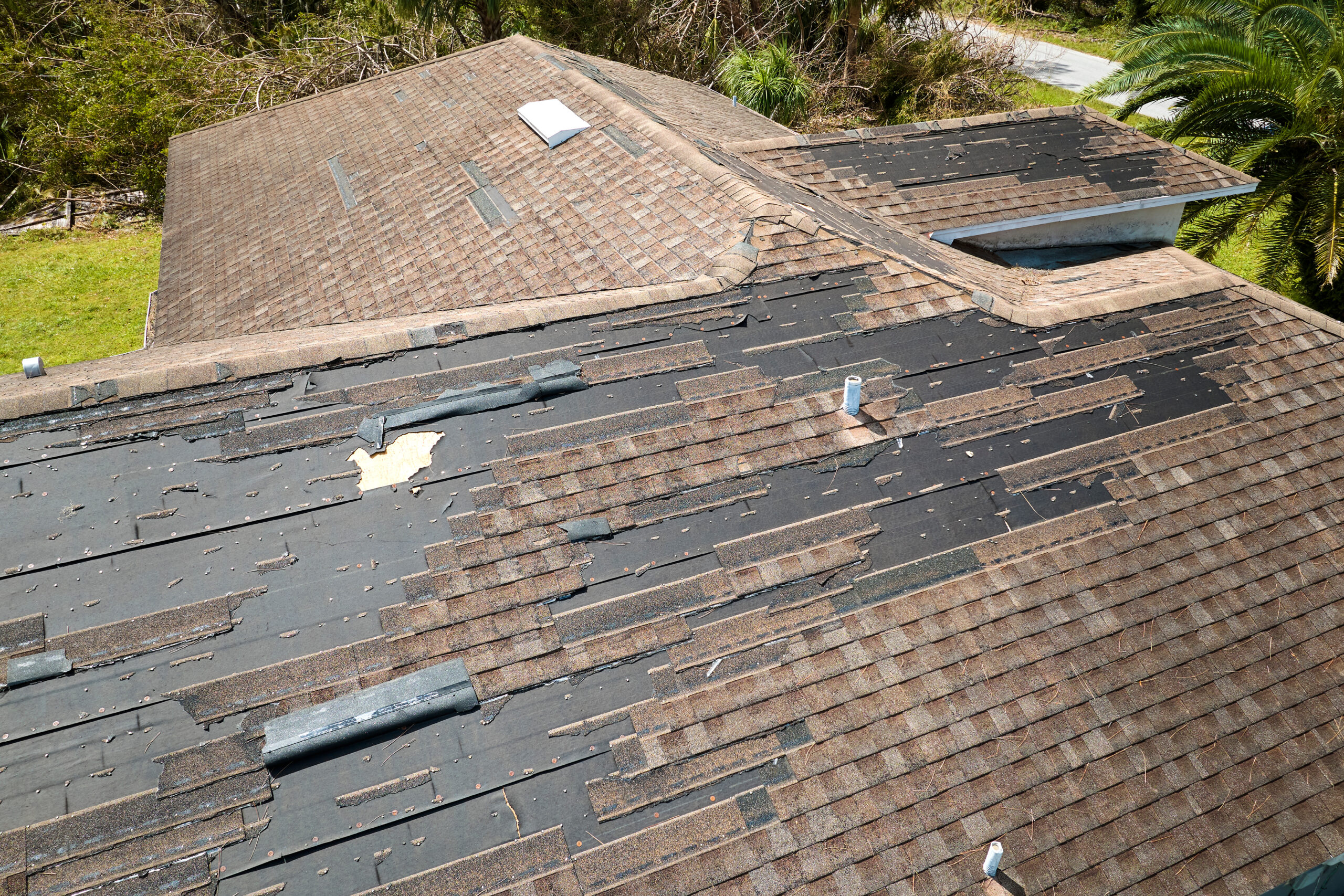
Also, and I can't stress this enough, the standard coverages have changed from 5 years ago. Most people don't know this until they make a claim. Several people have already mentioned that companies have changed from the conventional fixed deductible ($1,500, $2,500, etc.) to a percentage of the replacement cost, usually 1%. That is typically $4,000 on US homes, usually more in good markets. Most of the companies have changed roof coverage to payment of ACV (actual cash value) from RCV (replacement cost value), which means that if your roof is getting close to the end of its life, they're only paying for its current depreciated cash value. That's not a big deal if you have a new or newer home or you bought a ACV policy initially and have been preparing to pay for a roof over that time. But, when you buy a 10 year old home and get a RCV policy knowing that the roof is 1/2 way to full depreciation and then the company changes the policy on renewal, that sucks for homeowners. Literally millions of people have had this happen in the last few years.
This is how inscos are handling the roofing *fraud* issue, by the way. Punishing the homeowners, not the roofing companies. That's a topic for another day though.